
KTS Turbobillet X Sales Website Development Project KTS Turbobillet X Sales Website Development Project
KTS Turbobillet X Sales Website Development Project
This project centered on KTS Turbobillet X, distributed by MIJ LLC as an authorized dealer. We produced a dedicated web page and a full set of turbobillet-related technical illustrations and diagrams designed to communicate the product's strengths and sales reliability—authorized status, warranty, and support—accurately. E-LINE handled the entire process from requirements definition and information architecture through design, implementation, illustration production, accessibility support, and operational documentation.
Objectives and Requirements
Objective: To design a user journey that clearly demonstrates reliability as an authorized dealer while communicating the value of KTS Turbobillet X—performance, materials, machining precision, and implementation benefits—in an accessible way to both specialist and general users.
Key Requirements:
The key requirements were: 1) clearly presenting authorized-dealer status, warranty conditions, and purchase pathways; 2) visualizing product features through diagrams, comparison tables, and implementation cases; 3) optimizing search pathways (SEO) and display speed (performance); and 4) ensuring maintainability through CMS integration, editing permissions, and formalized guidelines.
Creative Direction
Centered on the concepts of 'precision,' 'trust,' and 'speed,' we adopted a restrained achromatic base with a single highly saturated accent color. Typography was based on highly legible sans-serif fonts, with fine adjustments to character spacing and punctuation handling to improve readability of numbers, units, and symbols. Product names, model numbers, registered trademarks, and related terms were standardized to their original and official spellings to eliminate inconsistencies.
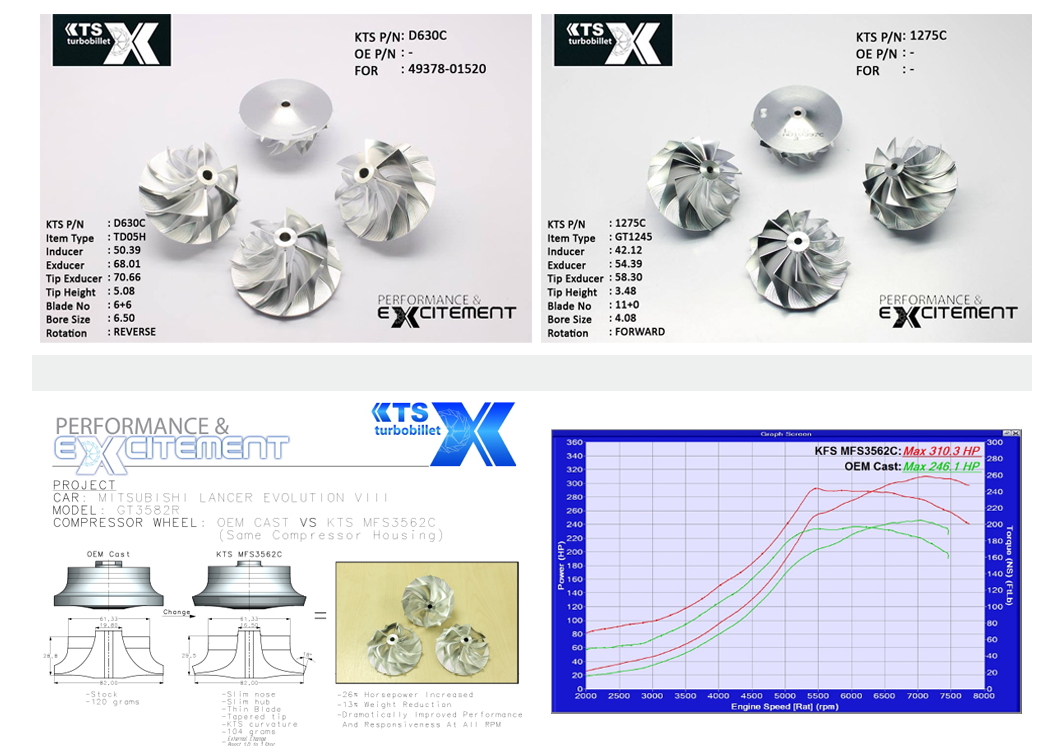
Key Points of Web Page Development
Information Architecture (IA) and UX
The first view presents an authorized-dealer badge and warranty information, followed early in the scroll by a summary of three to four key product features. The page then proceeds through detailed sections (materials, machining, compatibility, intended use, and implementation benefits), a comparison table (illustrative differences from conventional products or other methods), FAQ, and inquiry/purchase pathways, creating a flow that allows users to complete an inquiry in as few as three clicks.
Writing (Vocabulary Design by Audience)
For specialist readers, we included terminology and specifications relating to materials and machining; for general readers, we presented parallel explanations rephrased in terms of perceived effects and implementation benefits. Headings were written in natural language reflecting search intent, and information density was adjusted across three layers: summary, main text, and technical notes.
Design / Implementation
The site was made responsive with a mobile-first approach. Image dimensions were explicitly specified to avoid CLS, while WebP/AVIF optimization and lazy loading were introduced. Icons and UI components were converted to SVG to reduce weight, and accent colors were set within acceptable contrast-ratio standards. The CMS was organized into reusable blocks and templates based on the client's operating policy so future product-line additions can be accommodated quickly.
Accessibility / Legal
We implemented alternative text (alt), organized heading hierarchy, and added roles and labels to buttons. From a legal perspective, we prepared templates for trademark notation, source attribution, and caution statements, along with wording guidelines designed to prevent misunderstandings.
Turbobillet Illustration Production
Reference Collection and Style Definition
Based on supplied materials such as photographs, drawings, and dimensional information, we defined the style for technical vector illustrations. Isometric and oblique projection were used as appropriate, and line-width rules were specified to make components such as housings, wheels, and center sections easy to distinguish: thick for outer contours, medium for part boundaries, and thin for details.
Production Process
Rough Design: Determined how to present key components, including overall views, enlarged details, cross-sectional concepts, and exploded views.
Cleanup: Paths were retraced in Adobe Illustrator to accurately reproduce curvature and radius shapes.
Fill and Shading: The final style prioritized readability through flat rendering with minimal shading, with annotations, leader lines, and numbering placed according to a unified standard.
Variations: We prepared multiple views—overall view / exploded view / enlarged details / installation image (conceptual diagram)—and exported them for different uses, including web, documents, and point-of-purchase materials.
Technical Specifications and Data Delivery
Master data was delivered in AI/SVG vector format, with WebP/PNG versions for the web and high-resolution PDF files for print. We prepared both RGB (web) and CMYK (print) color modes and separated outlined versions from editable versions for easier management. Labels, units, and caution notes within diagrams were supervised to match the page's notation rules and avoid misunderstandings.
Quality Assurance (QA)
To standardize terminology, we prepared a glossary and notation rules covering product names, model numbers, trademarks, and units, reviewing both the web page and diagrams with the goal of eliminating inconsistencies. We also tested display in major browsers and on major devices, checked image sharpness to prevent blurred edges, and verified alternative text in screen-reader environments.
Deliverables
Complete Dedicated Web Page Package (design data, implementation data, optimized image files, and SEO metadata design sheet)
Technical Illustrations (overall / exploded / detail variations; AI/SVG, PDF, WebP/PNG)
Component-Based CMS Templates (with Update Manual)
Brand / Notation Guide (product names, model numbers, trademarks, numerical notation, image-use rules)
Update and Operations Manual (procedures for replacing images, adding FAQ items and cases, and adjusting CTAs)
Operations and Expansion
With future lineup additions and campaigns in mind, product card blocks and FAQ modules were designed for reuse. Case studies can be listed using tags, making it easy to expand into cross-filtering by region, vehicle type, use case, and other dimensions.
Rights and Compliance
Illustrations, photographs, icons, and fonts were managed in a licensing ledger, with permitted secondary-use ranges clearly stated for web, print, social media, and promotional use. Product names, logos, and trademarks follow the client's guidelines, and templates for credits and disclaimers were included.
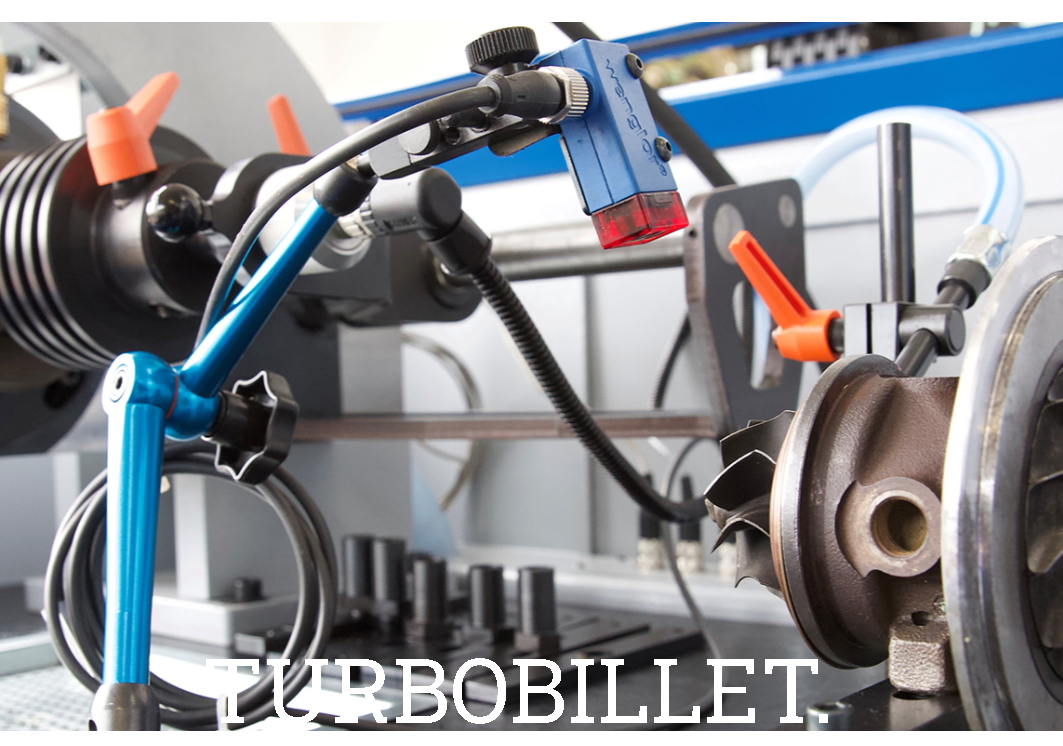
Reference: https://www.ktsturbobilletx.com/
Contact Us
Please feel free to contact us using the information below.
